Altitudes of Art: A Helicopter Day Among Britain’s Sculpture Parks and Country Collections
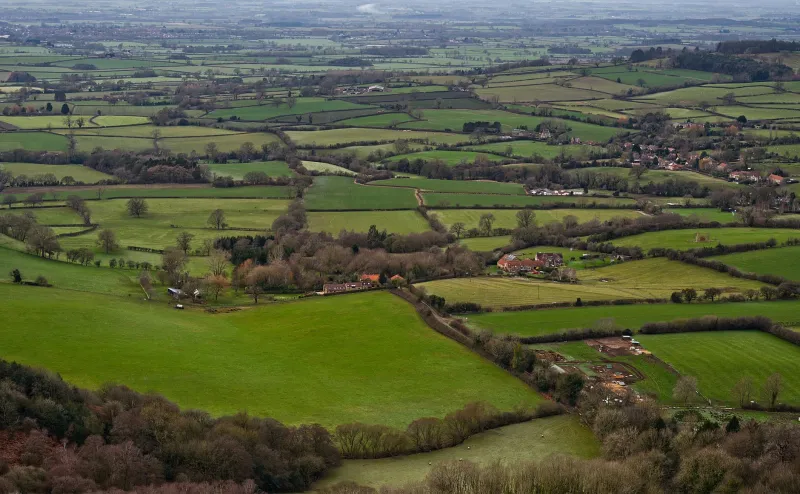
Britain has long understood that art need not be confined to a gallery. Across the country, sculpture parks, garden estates and private collections place works of real consequence in landscapes that are themselves part of the composition. Arriving by helicopter sharpens that relationship. The journey becomes a gradual descent from the broad geometry of the countryside into the intimate scale of a sculpture, a colonnade or a walled garden. For the discerning traveller, the appeal is not simply speed. It is the sense that the day has been composed, from the first rotor turn to the final approach home.
The case for arriving from above
A cultural day by helicopter should feel deliberate rather than hurried. The aircraft is not merely a substitute for a long drive; it changes the register of the visit. Instead of arriving tired from motorway traffic, guests step out with the landscape still fresh in mind. The route can be chosen to reveal the broader setting — the rolling parkland of Yorkshire, the wooded ridges of Derbyshire or the ordered fields of Oxfordshire — before the car transfer to the estate gate.
This is particularly valuable where the collection is inseparable from its setting. A Henry Moore sculpture viewed after a two-hour drive is one thing; viewed after a flight over the fields and follies that shaped his sense of scale, it is another. The same applies to country-house collections, where the approach through parkland is part of the welcome.
Choosing the right landscape
Not every sculpture park or stately home lends itself to an airborne visit. The most rewarding destinations tend to share three qualities: a coherent landscape, a collection of sufficient depth and a sensible transfer from a licensed landing site. Proximity alone is not enough. A site may be close to a helipad but poorly arranged for a leisurely day; another may require a longer car transfer yet reward it with a garden, a restaurant and a collection that can be enjoyed without rushing.
For 2026, several estates publish seasonal opening calendars that reward early planning. Spring and early autumn are especially attractive: the light is softer, the gardens are at their most articulate and the visitor numbers are generally more civilised than in high summer. Weekdays should be preferred where possible, both for the calm of the collection and for the ease of ground arrangements.
Three considered pairings
Yorkshire Sculpture Park and the Harewood estate
Yorkshire Sculpture Park remains one of Britain’s most persuasive arguments for art in the open air. Its rolling ground, mature trees and changing exhibitions give a full day genuine range. A helicopter arrival can be arranged via a licensed landing site in the region, with a chauffeured transfer to the park. The day might begin with the open-air works, pause for lunch and then turn to a smaller indoor exhibition. Nearby Harewood House adds a country-house counterpoint, though it is wise to choose one principal collection rather than attempting both without sufficient time.
Chatsworth and the Derbyshire collections
Chatsworth offers the complete country-house day: architecture, gardens, a distinguished collection and a landscape that repays slow looking. The estate is not a helipad destination in the casual sense, so arrangements must be made through a reputable operator with prior permission and a suitable nearby landing location. Once on the ground, the visit can be shaped around the house, the garden and a settled lunch. The surrounding Peak District scenery makes the return flight as much a part of the day as the arrival.
Waddesdon and the Oxfordshire frame
Waddesdon Manor combines a celebrated collection with formal gardens and a strong sense of occasion. For travellers based in or near London, it can form the centrepiece of a graceful full-day charter rather than a rushed half-day excursion. The house rewards a guided introduction, while the gardens and grounds offer room to wander afterwards. A late-afternoon return flight, timed before the light fades, completes the itinerary without forcing the pace.
The rhythm of the day
A polished cultural charter generally follows a simple rhythm: an unhurried morning departure, a mid-morning arrival, two to three hours of focused looking, a proper lunch and a final period in the garden or collection before the return flight. This is not a day for ticking off every room or every sculpture. It is a day for selecting a theme — landscape and form, or patronage and place — and allowing the collection to answer it.
Lunch deserves particular attention. Estate restaurants and nearby country-house hotels can be arranged in advance, and dietary requirements should be confirmed at the planning stage. The aim is not extravagance for its own sake but a comfortable interval that allows the day to breathe.
Practicalities worth settling early
Helicopter charters are subject to weather, daylight, aircraft availability and operational permissions. Landing at or near a heritage property requires the agreement of the landowner and a site assessment by the operator; guests should not assume that a convenient field is suitable. A CAA-regulated charter operator will advise on the appropriate licensed landing site, passenger weights, baggage limits and timings.
It is also prudent to confirm opening hours, exhibition dates and any private-view opportunities before the flight is finalised. Heritage collections sometimes close rooms at short notice, and gardens change with the season. Travel insurance and a flexible ground plan are sensible companions to any weather-dependent itinerary.
A return worth lingering over
The finest helicopter days do not end abruptly. They settle. After a morning among sculpture and an afternoon in a country-house collection, the return flight offers a last, elevated view of the landscape that framed the art. For the UK traveller, this is a civilised way to turn a cultural outing into a genuinely memorable occasion — one in which the journey and the destination are equally considered.