Seats of Circumstance: A Discerning Guide to Empty-Leg Helicopter Charters

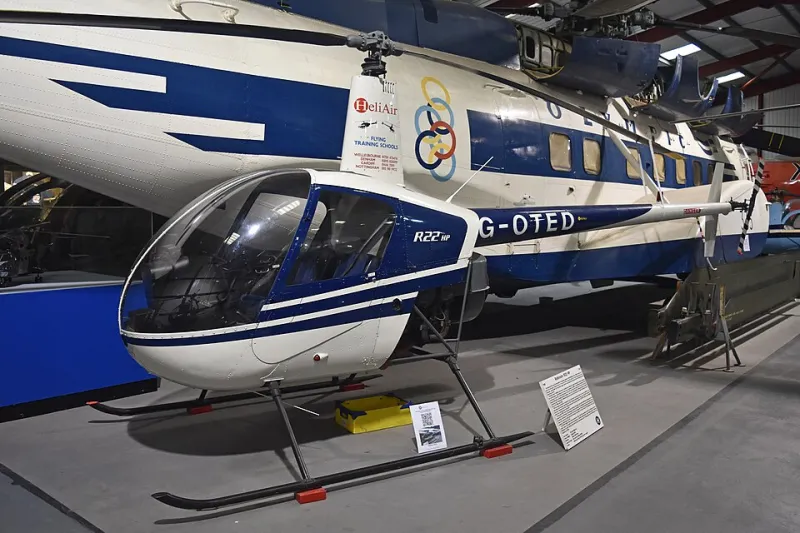
Photo: Roman Raghu Shrestha, CC BY-SA 4.0, via Wikimedia Commons
The appeal and the trap
An empty leg is one of the few genuine bargains in private aviation, but it is also one of the most misunderstood. The term describes a flight that an operator must make without revenue passengers—usually to return an aircraft to its base or to reposition it for the next charter. Because the aircraft is flying anyway, the operator may release the leg to a broker or directly to a client at a price well below the equivalent bespoke charter.
That is the appeal. The trap is to treat an empty leg as a conventional charter with a discount attached. It is not. It is a seat on a schedule that exists for someone else’s convenience, and the discerning traveller should approach it with a clear-eyed view of the trade-offs.
Why operators fly without passengers
Helicopter operators plan their fleets around primary charters: a corporate transfer, a race-day shuttle, a scenic flight, a positioning move for a maintenance visit. When an aircraft finishes one job in a different location from where it is next needed, it must return. The operator can either absorb that cost or sell the return leg. Selling it improves utilisation and offsets fuel, crew and landing fees.
The key point is that the empty leg is subordinate to the primary mission. If the primary charter changes, your leg may change with it. That is why empty legs are often released at short notice and why the terms can be less flexible than those of a standard charter.
How empty legs reach the market
There is no single exchange. Operators may offer empty legs through established brokers, through online platforms, or directly to regular clients. Some are advertised days in advance; others appear only hours before departure. The quality of information varies considerably. A reputable broker will confirm the operator, aircraft type, departure point, intended routing, and the conditions attached to the leg.
Because the supply is incidental, the market is uneven. A route that appears cheap one week may be unavailable the next. Travellers who need certainty should not rely on empty legs; travellers who can move their day by a few hours may find genuine value.
The trade-offs
Fixed routing and timing
The route is usually fixed. The aircraft is going where the operator needs it to go, not where a passenger might prefer. Timing may also be approximate until the primary charter is confirmed. A passenger who must be at a wedding at three o’clock should not book an empty leg unless the operator can guarantee the arrival window in writing.
One-way economics
Empty legs are typically one-way. The return journey may be full-price, which can erase the saving. They suit travellers who need a single transfer—London to a country event, for example—rather than a symmetrical day return.
Hidden costs and inclusions
A low headline price may exclude landing fees, handling, out-of-hours charges, de-icing, or ground transport. The prudent question is not ‘How much is the seat?’ but ‘What is the total cost to be delivered to my destination?’ Ask whether VAT is included and whether the price is contingent on the primary charter proceeding.
Cancellation and contingency
Empty legs can be cancelled if the primary mission changes. The terms should be clear before payment. A refundable deposit is preferable; a non-refundable payment for a flight that exists at the operator’s convenience is a speculative purchase.
When an empty leg is genuinely good value
Our view is that an empty leg is good value when three conditions align: the route matches your genuine need, the timing is flexible enough to absorb change, and the total cost—including ground transfers—is materially below the alternatives. It is poor value when it is used to justify a journey that would otherwise be unnecessary, or when the passenger treats it as a status purchase rather than a transport solution.
The best candidates are single transfers with a window of flexibility: a repositioning flight from London to the West Country, a return from a sporting fixture, or a move between two UK cities where the aircraft is needed anyway. The worst are time-critical appointments, multi-leg itineraries, and occasions where the passenger expects the aircraft to wait.
Questions to ask before committing
First, confirm the operator holds a valid UK CAA Air Operator Certificate and that the aircraft and crew are appropriately insured. Second, ask for the exact routing and the latest confirmed departure time. Third, establish what happens if the primary charter is delayed or cancelled. Fourth, confirm the baggage allowance; helicopter holds are small. Fifth, ask who pays landing fees, handling and any shuttle. Sixth, request the cancellation terms in writing. Finally, ask whether the leg is genuinely empty or whether other passengers are booked.
The etiquette of a borrowed schedule
An empty leg exists because someone else’s schedule created it. That deserves a degree of restraint. Be ready early, travel light, and do not haggle over a price that is already reflecting the operator’s need to reposition. If the flight is cancelled, accept the contractual terms without theatrical complaint. The operator is not running a charity; the passenger is benefiting from an operational coincidence.
For the discerning traveller, the empty leg is a useful instrument, not a lifestyle. Used with judgment, it can deliver a polished transfer at a sensible price. Used without, it can deliver nothing but inconvenience with a glamorous veneer.