The Aerial Fairway: Designing a Flawless Golf Day by Helicopter
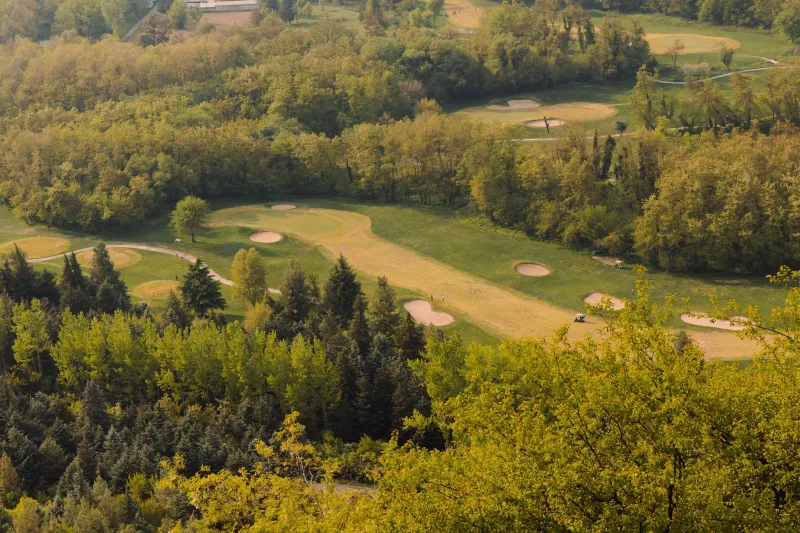
A golf day by helicopter is less about saving time than about shaping it. The appeal lies in the seamless arrival, the absence of motorway fatigue and the pleasant theatre of touching down within sight of the first fairway. Yet the most memorable days are rarely the most elaborate; they are the ones in which the flight, the clubhouse and the course have been considered as a single itinerary. For the UK golfer accustomed to careful planning, the helicopter is simply another instrument of precision.
Choosing the Course, Not Just the Clubhouse
Britain is blessed with courses that combine championship credentials with the kind of hospitality that suits a full-day charter. The starting point is not necessarily the most famous name, but the estate that can accommodate an arrival without disrupting its members or its neighbours. Gleneagles, in Perthshire, remains a natural candidate: it has long understood the requirements of travelling golfers, and its landing arrangements are well versed in receiving parties by air. Cameron House on Loch Lomond offers a similarly Scottish sense of occasion, with golf and lakeside hospitality in close proximity. South of the border, The Grove in Hertfordshire and Chewton Glen in Hampshire provide parkland settings where a helicopter arrival can be integrated into a broader day of dining and leisure.
For links golf, the equation changes. Royal St George's, Royal Birkdale and Turnberry are magnificent, but landing permissions are rarely a matter of simply requesting the first tee. In such cases, the operator will typically arrange a landing at a nearby private estate or licensed helipad, with a short chauffeured transfer to the club. This is not a compromise; it is often the more discreet solution, preserving the club's tranquillity and the day's sense of occasion.
The Practicalities of Arrival
Every helicopter charter to a golf club begins with permission. The Civil Aviation Authority regulates landing sites, and clubs or estates must consent to the arrival. A reputable operator will manage this process, but the client should allow sufficient lead time, particularly for weekends and major competition days. Weather is the other variable: British golf is played in all seasons, but helicopter operations are more constrained by low cloud and wind than by rain. A flexible buffer around the tee time is prudent.
Luggage and equipment require thought. Golf clubs travel comfortably in most medium twin-engine helicopters, but the operator should be informed of the number of bags and their dimensions at the enquiry stage. Clubs and trollies are usually available at the host venue, which can simplify the load. Smart casual dress is appropriate for the flight, with a change of shoes and jacket carried separately if the clubhouse requires it.
Etiquette on the Ground
A helicopter arrival attracts attention, and the discerning traveller will wish to ensure it does not become a distraction. Members and guests should be briefed on the short walk from the landing area to the clubhouse, and on the importance of following the club's instructions precisely. Photography is best kept discreet. The day should feel, to those already at the club, as though a fellow golfer has arrived by an unusual but entirely civilised means.
It is also worth remembering that many of the finest clubs are private. A helicopter does not confer access to the course or the clubhouse beyond the arrangements made in advance. The operator can assist with introductions, but the golf itself must be booked through the club in the usual way, with handicap certificates and dress codes observed.
Shaping the Day: Lunch, Tee and Return
The most pleasing itineraries allow for a leisurely lunch before play. A morning departure from London or the Home Counties can deliver guests to a Scottish or northern estate in time for a late morning coffee, followed by a light lunch and an early afternoon tee time. In autumn, when daylight shortens, an earlier start is advisable; in high summer, a late-afternoon round followed by dinner is equally civilised.
The return leg should not be an afterthought. A helicopter waiting on the estate allows the day to conclude at its natural pace, without the pressure of a fixed departure. Operators can usually hold the aircraft for the duration of the round, though this is reflected in the charter cost. For those seeking efficiency, an empty-leg or one-way arrangement may be more economical, but it requires a degree of flexibility.
Seasonal Considerations
Spring and autumn are arguably the finest seasons for a helicopter golf day. The light is softer, the courses are quieter and the air is crisp. Summer offers long evenings but also higher demand for landing slots and clubhouse facilities. Winter golf is possible, but the weather risk increases, and some clubs restrict helicopter arrivals during the closed season. A conversation with the operator and the club in advance will clarify what is realistic.
A Day Measured in Fairways
Ultimately, the helicopter is not the point; it is the means by which a good day becomes an exceptional one. The pleasure lies in the quiet efficiency of the transfer, the agreeable sense of arrival and the knowledge that the return journey is already assured. For the UK golfer who values both time and occasion, the aerial fairway is a compelling proposition.