A Question at Twelve Hundred Feet: Planning a Helicopter Proposal with Quiet Precision
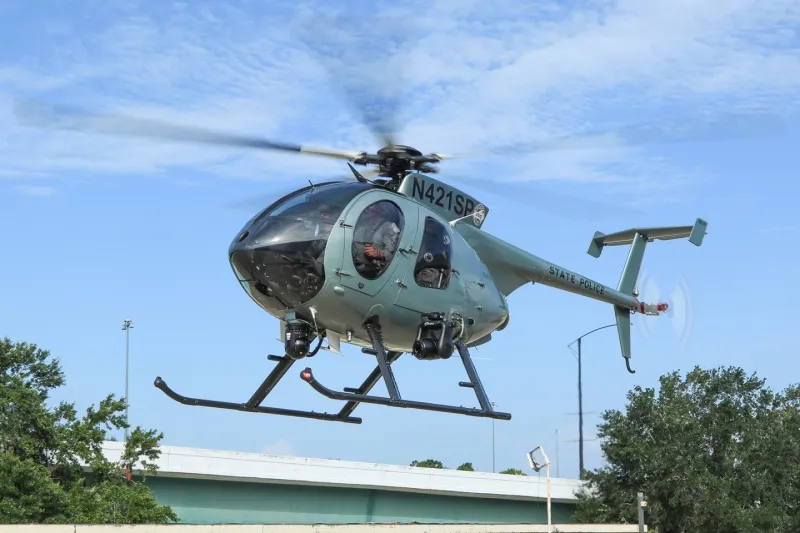
Photo: helicopter couple proposal scenic British landscape privacy, via www.helicopterimages.com
The Case for the Airborne Proposal
A proposal should feel inevitable in retrospect and entirely surprising in the moment. A helicopter can achieve both, provided the planning is invisible. The aircraft supplies elevation, privacy and a narrative arc — the ascent, the landscape, the landing — but it cannot supply good judgment. That must come from the proposer, ideally with professional support.
In Britain, the helicopter proposal has matured beyond the London skyline. Couples now choose Cornish cliffs, Lake District fells, Scottish lochs, the Solent and the Cotswolds. Each offers a different register: dramatic, pastoral, coastal, remote. The location should suit the relationship, not merely the photograph.
Location, Location, Elevation
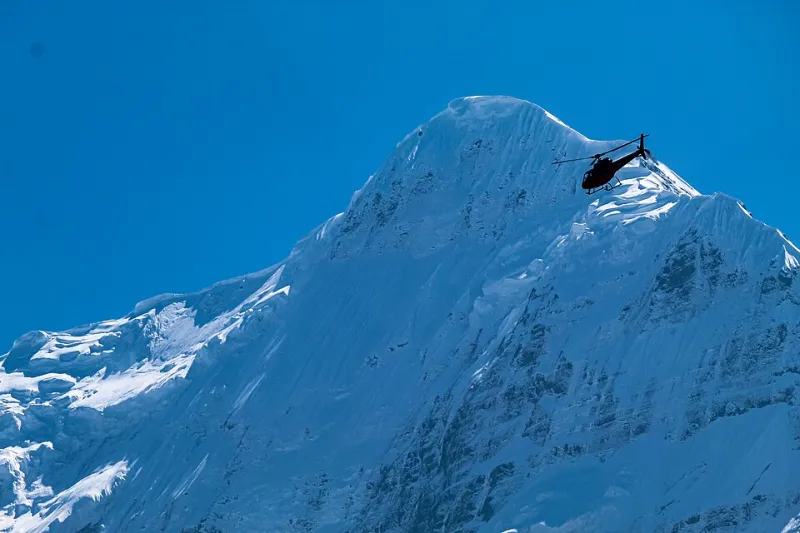
A successful proposal location needs three qualities: legitimate landing permission, a short walk to the proposal spot, and a view that justifies the flight. A remote Highland glen may be perfect; a busy National Trust car park is not. Coastal sites must account for tide and wind. Mountain sites must account for cloud and temperature. London sites offer glamour but little privacy.
Phoenix Helicopter works with landowners and approved landing sites to secure permission in advance. This is not a detail to leave until the week before. A farmer’s field may be ideal in August and unusable in February. A private estate may welcome a landing but insist on a particular approach path. The earlier these conversations begin, the calmer the day will be.
The Choreography
Timing is everything. A late-afternoon flight in summer can place the proposal in golden light, but it leaves little buffer if the aircraft is delayed. A mid-morning flight is more forgiving and often more private. The pilot should be briefed on the proposal itself — where the ring is carried, when the couple will be alone, how long they need — without being asked to participate in the theatre.
The ring should travel securely on the proposer’s person, not in luggage. A pocket is preferable to a bag that may be stowed. Warm layers are essential in an open landscape even on a fine day, and flat shoes are more sensible than they are romantic. A small hip flask or a chilled half-bottle can be arranged for the landing site, though glass should be handled with care near the aircraft.
Weather and the Necessary Plan B
British weather is not an inconvenience; it is a planning assumption. A reputable operator will monitor forecasts and advise on the morning of the flight. The proposer should hold a second date, a second landing site, or both. The best contingency is not a lesser version of the same plan but a genuinely good alternative: a private dining room, a coastal hotel, a favourite walk.
The proposal itself should not depend on the flight. If the helicopter cannot fly, the question can still be asked beautifully. This may sound obvious, but it is the single most common source of unnecessary pressure. Weather is not a verdict on the relationship.
Photography Without Intrusion
A photographer can document the moment without hovering in it. The most discreet approach is a ground-based photographer with a long lens, positioned at a distance and briefed on the couple’s movements. A second helicopter is possible but expensive and noisy; it should be used only if the couple actively wants aerial imagery of the proposal itself.
Drone use is subject to Civil Aviation Authority rules and local restrictions, and it can spoil the privacy that makes the moment valuable. If a drone is to be used, it should be flown by a qualified operator with permission from the landowner and a clear understanding of the helicopter’s arrival and departure paths.
Discretion and Permission
The proposal is private, but the flight is not invisible. Local residents may notice a helicopter landing; estates may have neighbours; public footpaths may cross the land. A considerate plan minimises disturbance and avoids drawing attention to the couple. The pilot and ground team should know what they are permitted to say, and to whom.
For public sites, permission may be required from the relevant authority. For private land, the landowner’s consent is essential. For both, a quiet word in advance is worth more than a grand gesture on the day.
The Practical Checklist
- Confirm landing permission and approach paths at least four weeks in advance.
- Book a flexible charter with a weather contingency and a second date.
- Brief the pilot on timings, privacy and the ring’s location.
- Arrange ground transport from the landing site to the proposal spot.
- Pack warm layers, flat shoes and a secure pocket for the ring.
- Brief any photographer on distance, discretion and permissions.
- Prepare a genuinely appealing indoor alternative.
- Keep the guest list at zero unless the couple has agreed otherwise.
After Landing
A proposal is not a full day’s entertainment. After the question, the couple should be allowed to be alone. A pre-booked lunch, a private room and a car home are more valuable than a packed itinerary. The helicopter may return later, or the couple may choose to stay. The point is that the day belongs to them, not to the logistics.
A Considered Conclusion
A helicopter proposal is not made memorable by altitude alone. It is made memorable by the absence of friction: the permission secured, the weather watched, the photographer hidden, the ring safe, the partner surprised. Phoenix Helicopter approaches such occasions with the same discipline as any other charter — and with a proper understanding that the smallest details carry the greatest weight.