Paddock to Helipad: Britain’s 2026 Sporting Calendar by Helicopter
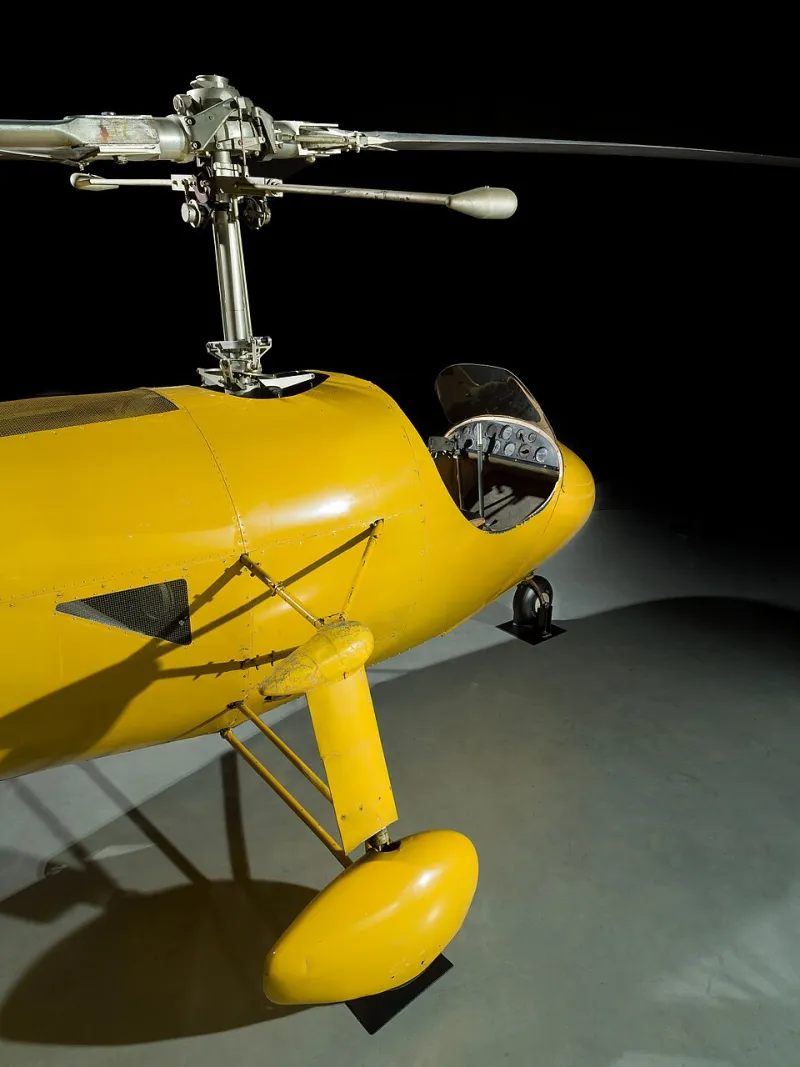
Photo: Bell Helicopter Corporation, CC0, via Wikimedia Commons
A season viewed from the flight deck
As the 2026 season draws towards its final fixtures, the charter market has a clearer picture of which British sporting occasions reward a helicopter transfer and which merely tolerate one. The distinction matters. A helicopter is not a universal solution to race-day traffic; it is a precise tool for compressing the tedious middle of a journey while preserving the punctuality and presentation that such occasions demand.
The pattern of 2026 has been consistent. The most successful transfers were those where the landing zone sat close to the venue, the shuttle was professionally managed, and the passenger travelled light. The least satisfactory were those where the aircraft became a dramatic but poorly connected first act. What follows is a month-by-month review of the principal fixtures, with the practical points a discerning traveller should carry into the next renewal.
March — Cheltenham Festival
The Festival remains the spring benchmark. Helicopters use the racecourse’s designated landing area, with a short shuttle to the enclosures; operators will confirm the exact slot and vehicle arrangements at the time of booking. Against road travel from London, the saving is substantial—typically two hours or more on the inbound leg—and the flight avoids the worst of the A40 and M5 congestion. Rail is efficient to Cheltenham Spa, but the final transfer still consumes time.
Dress is formal and the weather can be raw; luggage should be soft-sided and small. Book eight to twelve weeks ahead for the Festival, longer if the aircraft is required for a specific arrival slot. The lesson from 2026 is that early commitment secures the shuttle as much as the aircraft.
April — Grand National, Aintree
Aintree is a fixture where road and rail both strain under the crowd. Helicopters use a designated landing zone close to the course, with shuttle coaches or cars depending on the operator’s arrangement. The flight from London is roughly an hour, against a rail journey of more than two hours plus transfer; the realistic door-to-door saving is often two hours.
Because the Grand National is a single, fixed appointment, booking should begin ten to twelve weeks out. Dress is smart but less rigid than at Royal Ascot; luggage must still be minimal. Passengers should expect a measured shuttle process rather than a private car to the turnstiles.
May — Badminton Horse Trials
Badminton rewards the helicopter because the estate’s road approaches are charming but slow. Landing arrangements are made through the event’s designated helicopter area, with a shuttle to the main spectator zones. From London, the flight is short; the saving against a car on the M4 is meaningful, though the shuttle can absorb part of the advantage.
Country dress is the order of the day, with practical footwear advisable. Book six to eight weeks ahead. This is a fixture where a flexible arrival time is more valuable than a minute-perfect slot.
June — Epsom Derby and Royal Ascot
June is the busiest month in the charter diary. Epsom uses designated landing areas with shuttle arrangements to the course; the flight from central London is brief, but the real benefit is avoiding the M25 and the final approach roads. Royal Ascot is the more slot-constrained occasion: landing permissions and shuttle movements are tightly managed, and the demand for suitable aircraft is intense.
At Ascot, dress code depends on the enclosure, with the Royal Enclosure requiring formal attire; luggage should be limited to a small soft bag. Book ten to twelve weeks ahead for Ascot, and be prepared to accept a defined arrival window rather than a bespoke time. Epsom rewards six to eight weeks’ notice.
July — British Grand Prix and Goodwood Festival of Speed
Silverstone is a shuttle operation by necessity. Helicopters land at designated off-site parks and passengers are moved by coach or car to the circuit. The time saved against the M1 and A43 is considerable, but the shuttle is part of the product. Book eight to twelve weeks ahead, particularly for race day.
Goodwood Festival of Speed uses landing areas within the estate and a short shuttle to the action. Dress is relaxed but weather-ready; luggage should be no more than a day bag. Six to eight weeks is a sensible horizon.
August — Glorious Goodwood and York Ebor
Glorious Goodwood is one of the most helicopter-friendly meetings in the calendar: the estate setting allows a short shuttle and the flight avoids the Sussex lanes. Book six to eight weeks ahead. Dress is summer formal with a country inflection; a light waterproof is prudent.
York’s Ebor meeting uses a designated landing zone with shuttle to the Knavesmire. The flight from London is efficient, though the shuttle requires patience. Book six to eight weeks ahead and travel light.
September — St Leger
Doncaster’s St Leger is a more straightforward transfer: a designated landing area, a short shuttle, and a realistic saving against road and rail from London. Four to six weeks’ notice is usually sufficient, though earlier is wise if a specific aircraft type is required. Dress is formal; luggage should be minimal.
October to December — Cheltenham and winter fixtures
The November Meeting at Cheltenham and the December festive racedays close the year. Landing arrangements follow the racecourse’s designated areas, with shuttle to the enclosures. Winter flying demands flexibility: daylight, de-icing and weather can affect timings. Book four to eight weeks ahead and build a contingency into the day.
The practical arithmetic
The 2026 season confirms that the helicopter’s advantage is not simply speed but predictability. Passengers should still expect strict baggage limits, a formal dress code at many fixtures, and a shuttle at the venue end. The most satisfied travellers booked early, travelled light, and treated the shuttle as part of the itinerary rather than an inconvenience. For the next renewal, the prudent course is to secure the aircraft and the landing slot together, confirm the shuttle in writing, and allow the schedule to breathe.