Aria on the Lawn: The Discreet Helicopter Route to Britain’s Summer Opera Houses
Photo: Hermann Luyken, CC0, via Wikimedia Commons
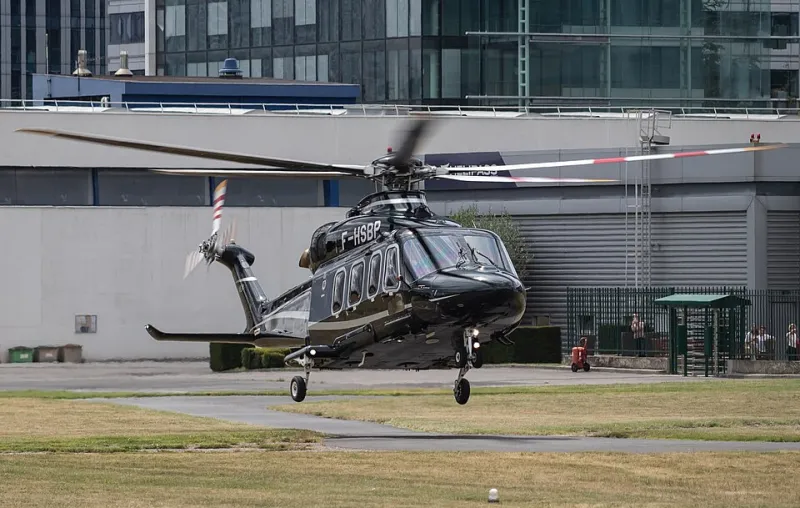
Country-house opera in Britain has always been as much about the approach as the performance. The drive through parkland, the first sight of a stage set against mature trees and the slow unpacking of a picnic are part of the ritual. A helicopter does not remove that ritual; it compresses the journey and elevates the arrival, provided the arrangements are made with the same care as the seating plan.
For the 2026 season, a discreet charter to Glyndebourne, Garsington, Grange Park or one of the smaller private lawns that host summer opera can be a civilised alternative to the motorway. It also demands a particular kind of planning. Country-house opera is not an airport transfer with an aria attached. Landing permissions, local goodwill, performance timings and the British weather all have a vote.
The Appeal of Arrival by Air
The practical case is straightforward. A Sussex or Oxfordshire opera evening can involve a long return drive, often ending after midnight. By air, the journey becomes a short, scenic leg over the Downs or the Chilterns, with the estate visible below and the evening still ahead. For guests travelling from London or the Home Counties, the time saved can be spent at the picnic rather than in traffic.
The less tangible appeal is the sense of occasion. A helicopter arrival should feel restrained rather than theatrical: a quiet approach, a pre-arranged landing area and a short walk to the lawns. The aim is not to make an entrance but to make the evening easier, and to allow black tie to remain immaculate.
Glyndebourne: Timing, Turbines and the Long Interval
Glyndebourne is the benchmark against which other country-house opera is measured, and its rhythms are well established. The performance schedule, the long interval and the picnic tradition all shape the flight plan. Arriving too early can leave guests waiting before the grounds are ready for them; arriving too late defeats the purpose of a leisurely pre-performance picnic.
Landing arrangements near Glyndebourne are not a matter of simply identifying a field on a map. Permission must be sought well in advance from the relevant landowner and, where required, the local authority. Operators will also consider noise sensitivity, prevailing winds and the movement of guests and vehicles on the estate. The approach should be planned to avoid the most sensitive periods around the performance, and departure should be timed to coincide with the end of the evening rather than the applause of the final act.
A useful discipline is to treat the interval as fixed infrastructure. The picnic should be packed so that it can be served without delay, and the return to the aircraft should be discussed before the first act rather than during the second interval.
Garsington and Grange Park: Smaller Lawns, Greater Precision
Garsington Opera, set within the Wormsley Estate in Buckinghamshire, and Grange Park Opera, now at West Horsley Place in Surrey, offer a more intimate scale. The lawns are smaller, the audience is closer to the stage and the atmosphere is correspondingly personal. That intimacy places a higher premium on precision.
At venues of this kind, the helicopter should be treated as a guest of the estate. Landing sites may be some distance from the auditorium, and the route from aircraft to picnic lawn may cross areas that are in use for other purposes. Guests should expect a short transfer by estate vehicle or a carefully managed walk. Flexible footwear is sensible, even with black tie, and a light wrap is advisable for the return after dark.
The smaller houses also reward an early decision. Once the season is underway, suitable landing windows and local permissions become scarce. A charter enquiry made in the winter or early spring is more likely to yield a calm, well-sequenced plan than one made in the week of the performance.
Private Lawns and Lesser-Known Stages
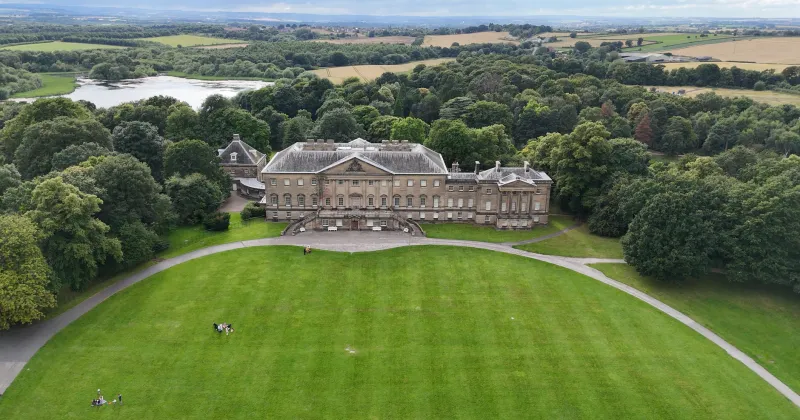
Beyond the established festivals, Britain has a quiet tradition of private and semi-private opera performances in country-house settings. These may be charity galas, anniversary performances or one-off productions on estates that rarely open to the public. They can be among the most memorable evenings of the summer, precisely because they are not designed for mass arrival.
For such occasions, the helicopter operator should be involved early enough to speak directly with the estate office. Questions of insurance, fire safety, livestock, crop protection and neighbour notification are best resolved by the landowner and the operator together. Guests should not assume that a private lawn is automatically a landing site, however flat it appears from the air.
Permissions, Noise and Neighbourly Consideration
Noise is the central courtesy of any country-house charter. Rural estates may sit within areas that are sensitive to aircraft movements, and local residents may notice a helicopter even when the estate itself is welcoming. A professional operator will plan the approach and departure paths to minimise disturbance, avoid low-level flying over neighbouring properties and respect any curfew or voluntary restriction agreed with the venue.
It is also wise to confirm whether the aircraft will remain on site during the performance or return later. A waiting helicopter can be convenient, but it can also be intrusive if it is positioned too close to the auditorium. In many cases, a planned return is the more elegant solution.
Packing for Black Tie at Altitude
Helicopter travel imposes a discipline on luggage that is entirely compatible with black tie. Soft bags are preferable to rigid cases, and a compact overnight bag is easier to stow than a full wardrobe. Jackets should travel in a light garment bag or be worn, and delicate accessories are best kept in a small case rather than a loose pocket.
The picnic deserves the same forethought. China and glass can travel if properly packed, but weight and space are finite. A hamper designed for two or four, with cold dishes that will not suffer in a warm evening, is more practical than an elaborate menu that requires last-minute assembly. A small umbrella and a light blanket are sensible additions; the British summer is not obliged to respect the dress code.
The Return Leg and the Weather
Country-house opera ends late, and the return flight is where careful planning pays. The pilot will need adequate light, a clear route and a confirmed landing site at the destination. Summer evenings can bring low cloud or unexpected showers, so a reputable operator will build a margin into the schedule and discuss contingency plans before departure.
Guests should also consider the post-performance pace. A helicopter removes the long drive, but it does not remove the need to walk to the aircraft, stow belongings and settle in for the return. Comfortable shoes, a wrap and a little patience will make the final movement of the evening as composed as the first.
A Summer Evening, Considered
A helicopter does not make country-house opera more glamorous; the opera does that. What it can do is make the evening feel continuous, from the first view of the estate from the air to the last glass of wine at the picnic. The difference lies in the planning: permissions secured early, timings respected, neighbours considered and luggage kept sensibly light.
For the discerning UK traveller, that is the real luxury. Not the noise of arrival, but the quiet confidence of a summer evening in which every movement has been thought through, leaving nothing to distract from the performance on the lawn.