The Gavel at Altitude: A Helicopter Day Among Britain’s Country Salerooms
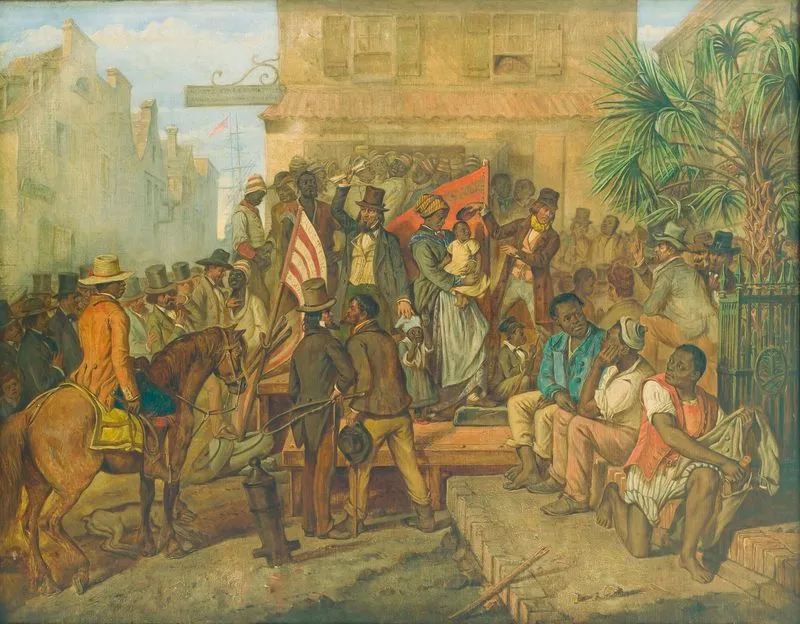
Photo: Eyre Crowe, Public domain, via Wikimedia Commons
The country auction house occupies a particular place in British cultural life. It is part museum, part theatre and part marketplace, often housed in a Georgian townhouse, a converted maltings or a purpose-built saleroom on the edge of a market town. The atmosphere is quieter than London, the specialists are rarely rushed and the catalogues reward close reading. For the discerning collector, the appeal is obvious. The difficulty has traditionally been the travel: a morning preview in West Sussex, a sale in North Yorkshire and a collection a fortnight later can consume days. A helicopter charter compresses that geography into a single, elegant itinerary.
Why the Country Saleroom Suits the Airborne Collector
Britain’s regional auction houses have grown in confidence. Dreweatts at Donnington Priory in Berkshire, Sworders in Essex, Tennants in Leyburn and Woolley & Wallis in Salisbury all stage specialist sales that attract international attention. Their calendars are varied: fine art and antiques, silver and jewellery, wine and spirits, watches, books and collectors’ pieces. The country saleroom also offers something the metropolitan room sometimes cannot: space to think. Previews are less compressed, viewing is more leisurely and the specialist behind the desk is often the person who catalogued the lot.
For 2026 buyers, the hybrid sale is now standard. Live bidding, telephone lines and online platforms run in parallel. That flexibility is useful, but it also raises the stakes. A buyer who has travelled by air should arrive with a clear plan, a registered bidding account and a firm sense of the premium, duty and collection costs that sit beyond the hammer price.
Choosing the Sale and Reading the Calendar
The first discipline is selection. Country salerooms publish calendars months in advance, and the most rewarding days are built around a preview morning followed by an afternoon sale. A fine-art sale at Donnington Priory might pair naturally with a visit to a nearby country house or sculpture collection. A wine sale in East Anglia or a collectors’ sale in the Home Counties can be combined with a discreet lunch. The helicopter should serve the day, not dictate it.
Buyers should request condition reports before travelling. For pictures, ask about provenance, restoration and frame condition. For wine, confirm ullage, label condition and duty status. For antiques and collectors’ pieces, establish whether the lot contains restricted materials and whether an export licence or CITES certificate may be required. These are not peripheral details; they determine whether a successful bid becomes a straightforward acquisition or an administrative project.
Landing Logistics and the Discreet Transfer
A country saleroom is rarely a licensed helipad. Landing arrangements therefore require early, specialist attention. The operator will assess the nearest suitable airfield, private estate or approved landing site, then secure the necessary permissions. In practice, a short fixed-wing or helicopter transfer from the landing point to the saleroom is often the most discreet solution, with a chauffeured car waiting on arrival. The aim is a seamless handover: aircraft to car, car to saleroom, with no visible disruption to the day.
Weather is the constant variable in Britain. A robust charter plan includes a contingency for low cloud, wind and winter light. The return leg should be scheduled with a sensible buffer, particularly if a collection is to be made or a purchase requires documentation. For a first charter, the operator’s advice on landing permissions, passenger weights and luggage space is essential rather than optional.
The Preview Morning: Where Judgement Begins
Arrive for the preview rather than the sale itself. This is where the real work is done. Inspect the lots under natural light where possible, turn furniture upside down, ask for additional photographs and speak to the specialist about the reserve. For wine, request tasting notes or a condition report; for pictures, examine the surface and the reverse. It is also the moment to register for bidding, establish a telephone line if required and agree a ceiling with anyone sharing the decision.
The country saleroom rewards composure. A bidder who has seen the lot in person, understood the buyer’s premium and calculated the cost of collection is less likely to be carried away by the rhythm of the room. That is particularly true of collectors’ sales, where competition can be spirited and the difference between a good buy and an expensive enthusiasm is often a single increment.
The Sale Itself: Composure Under the Hammer
The auction room is a theatre of small signals. A raised catalogue, a nod, a telephone bidder represented by a member of staff. For the airborne collector, the advantage is not speed but presence. A morning preview, a relaxed lunch and an afternoon sale make for a civilised day rather than a rushed expedition. If the sale runs long, the return flight can be held within the charter agreement, subject to daylight and weather.
It is prudent to leave a commission bid if the schedule tightens. A telephone line is equally effective, though it removes the pleasure of the room. Either way, the buyer should confirm the final price immediately, request an invoice and establish the collection window before leaving the saleroom.
Afterwards: Collection, Shipping and the Return Journey
Collection is where many auction purchases become unnecessarily complicated. Country salerooms typically allow a limited window before storage charges begin. Fine art and fragile pieces require specialist couriers; wine requires temperature-controlled transport; larger pieces may need export or import documentation. The helicopter can carry only what weight and space allow, so the sensible plan is to arrange onward shipping at the point of purchase and carry home only what is practical.
Insurance should be confirmed before the lot leaves the saleroom. For high-value purchases, a specialist fine-art policy is essential. For wine and spirits, confirm duty and VAT treatment. For items containing ivory, tortoiseshell or certain woods, establish the licensing position before bidding. These checks are unglamorous, but they protect the pleasure of the acquisition.
A Considered Day, Not a Whim
The country auction house is at its best when treated as a destination rather than an errand. A helicopter charter turns the scattered geography of preview, sale and collection into a coherent day, but it also imposes a useful discipline: plan the sale, read the conditions, secure the landing and arrange the return. Phoenix Helicopter’s role is to make the aviation element seamless, leaving the collector free to concentrate on the catalogue, the specialist and the quiet thrill of the gavel. In 2026, that is a very British kind of luxury: understated, well organised and entirely at altitude.