Where the Causeway Ends: Britain's Private Island Retreats by Helicopter
Photo: Fregate Island Private, CC BY 4.0, via Wikimedia Commons
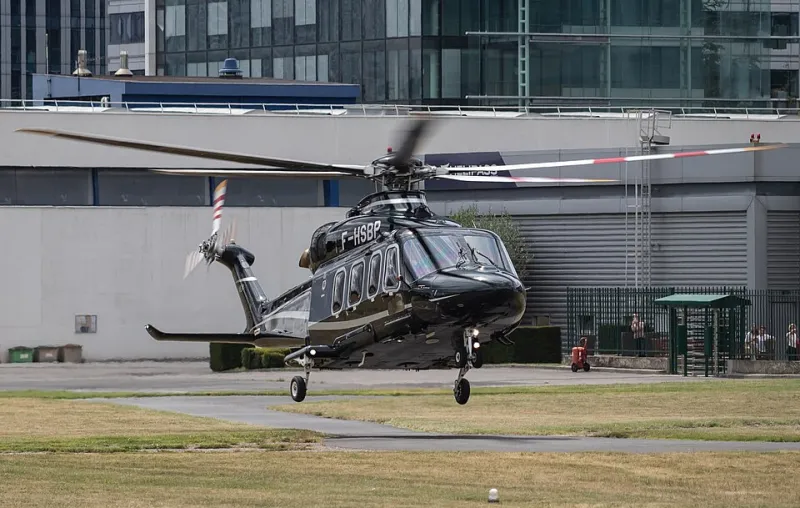
Arriving at a private island by road is a study in patience. The causeway may be under water, the ferry may be waiting for the tide, and the final miles may narrow to a single track. Arriving by helicopter removes that friction without removing the drama. The sea appears on three sides, the mainland recedes, and the island announces itself as a place apart. For a short British break, that difference matters. The journey is no longer a prelude to the stay; it becomes part of the stay.
The Case for Arriving by Air
Britain has a curious relationship with its islands. Many are close enough to the mainland to feel accessible, yet separated enough to preserve a distinct rhythm. The private-island retreats that suit a helicopter charter tend to share three qualities: a clear sense of enclosure, a limited number of guests, and an arrival point that can be managed with discretion. They are not necessarily the most remote places in the country. They are the places where remoteness has been refined into hospitality.
A charter also changes the practical shape of a weekend. A Friday departure can leave after the working day and still deliver guests in time for dinner. A Sunday return need not consume the afternoon. Luggage can be kept modest, schedules can be kept private, and the group can remain together from doorstep to island. For families, small house parties or a couple marking an occasion, that continuity is a quiet luxury in itself.
Four Islands, Four Characters
Osea Island, Essex
Osea sits in the Blackwater Estuary, a private island with a tidal causeway and a reputation for exclusive-use stays. Its character is rather more cinematic than pastoral: estuary light, marshland birds, and a sense of removal that feels surprising given the proximity to London. The island suits groups who want privacy without the logistics of a long haul, and its accommodation model lends itself to a whole-house arrangement.
Landing at Osea is not a matter of choosing a convenient field. The estate's permission, insurance and site briefing come first, and the operator will want to understand the tide, the expected arrival time and the number of passengers. The reward is an arrival that feels deliberately concealed from the mainland.
Burgh Island, Devon
Burgh Island is the South Devon retreat with a famous silhouette and an Art Deco hotel that has long attracted a certain kind of traveller. Its tidal causeway is part of the theatre: when the water covers the road, the sea tractor takes over. By helicopter, the tide table loses some of its authority, though it does not disappear from the planning. Local permissions, hotel coordination and weather margins still shape the approach.
Burgh suits a shorter, more celebratory stay. The island is compact, the hotel is distinctive, and the surrounding coast offers a dramatic counterpoint to the interior calm. It is the sort of place where a lunch becomes an afternoon and an afternoon becomes a decision to stay another night.
Tresco, Isles of Scilly
Tresco is the most obviously sub-tropical of the British islands, with the Abbey Garden, white sand and a private-estate atmosphere that rewards those who prefer their seclusion with a little horticultural interest. The Isles of Scilly demand respect from any aviator: fog, low cloud and brisk winds can arrive quickly, and the mainland transition is not one to improvise.
A charter to Tresco should be planned with a flexible weather window and a clear alternative. Landing arrangements are coordinated with the island estate and the relevant authorities, and baggage must be considered with the aircraft's limits in mind. The effort is repaid by an arrival that feels almost Mediterranean, until the Atlantic reminds you otherwise.
Isle of Eriska, Argyll
Eriska is a private island hotel on Scotland's west coast, reached by a bridge but possessed of a woodland and coastal setting that feels considerably more removed than the map suggests. The appeal lies in the combination of country-house comfort and Hebridean weather, with Oban and the wider Argyll coast within easy reach for a day out.
By air, the single-track roads and ferry timetables that normally shape a west-coast itinerary fall away. Landing is subject to the hotel's permission and the usual site considerations, and the operator will watch the wind and cloud carefully. In return, guests gain time: more of it on the island, less of it in transit.
Permissions, Tides and the Quiet Paperwork
Private-island charter is not a spontaneous pursuit. Prior permission is essential, and the competent operator will treat it as a formal process rather than a courtesy call. Landowner consent, insurance, site suitability, passenger manifests and local byelaws all belong to the preparation. Some islands sit within sensitive landscapes, where bird nesting, conservation designations or estate events may restrict landing at particular times.
The tide remains relevant even when the aircraft does not use the causeway. It governs the island's rhythm, the availability of staff and sometimes the practicalities of transferring luggage. A good charter plan acknowledges the tide not because the helicopter needs it, but because the island does.
Weather Windows and the Seasonal Calendar
Britain's island weather is not a backdrop; it is a participant. Late spring and early autumn often offer the most settled conditions, but no season can be treated as guaranteed. Fog is the particular enemy of island arrivals, especially in the south-west and the Isles of Scilly. Wind can narrow the options on exposed western islands. Daylight matters in winter, when a late return loses its margin for delay.
For 2026, the sensible approach is to build flexibility into the booking rather than treat the date as immovable. A reputable operator will monitor forecasts, advise on alternative timings and maintain a clear plan for diversion or postponement. The luxury is not the absence of weather; it is the absence of anxiety about it.
The Short Break, Recalibrated
A private island works best as a two- or three-night stay. The first evening is for arrival and decompression; the middle day is for the island itself; the final morning is for a leisurely departure. Attempting too much turns seclusion into a schedule. The point is to let the island set the pace.
For UK travellers, the charter also creates a useful psychological boundary. The mainland is still close, but it feels further away. Work calls can be left until Monday; the causeway can flood without inconvenience; the ferry can sail without you. That is the real service being purchased: not merely transport, but a cleaner separation between ordinary life and the interlude.
A Final Approach
Phoenix Helicopter approaches private-island charters as a considered arrangement rather than a commodity. The aircraft is only one part of the equation. The rest is judgment: knowing which island suits which group, which permissions must be secured, and which weather conditions justify patience rather than pressure. Britain's private islands are not numerous, and they are not interchangeable. Arrived at properly, with the sea on three sides and the mainland behind, they offer something increasingly rare in a short break: genuine seclusion, without the burden of a long journey.